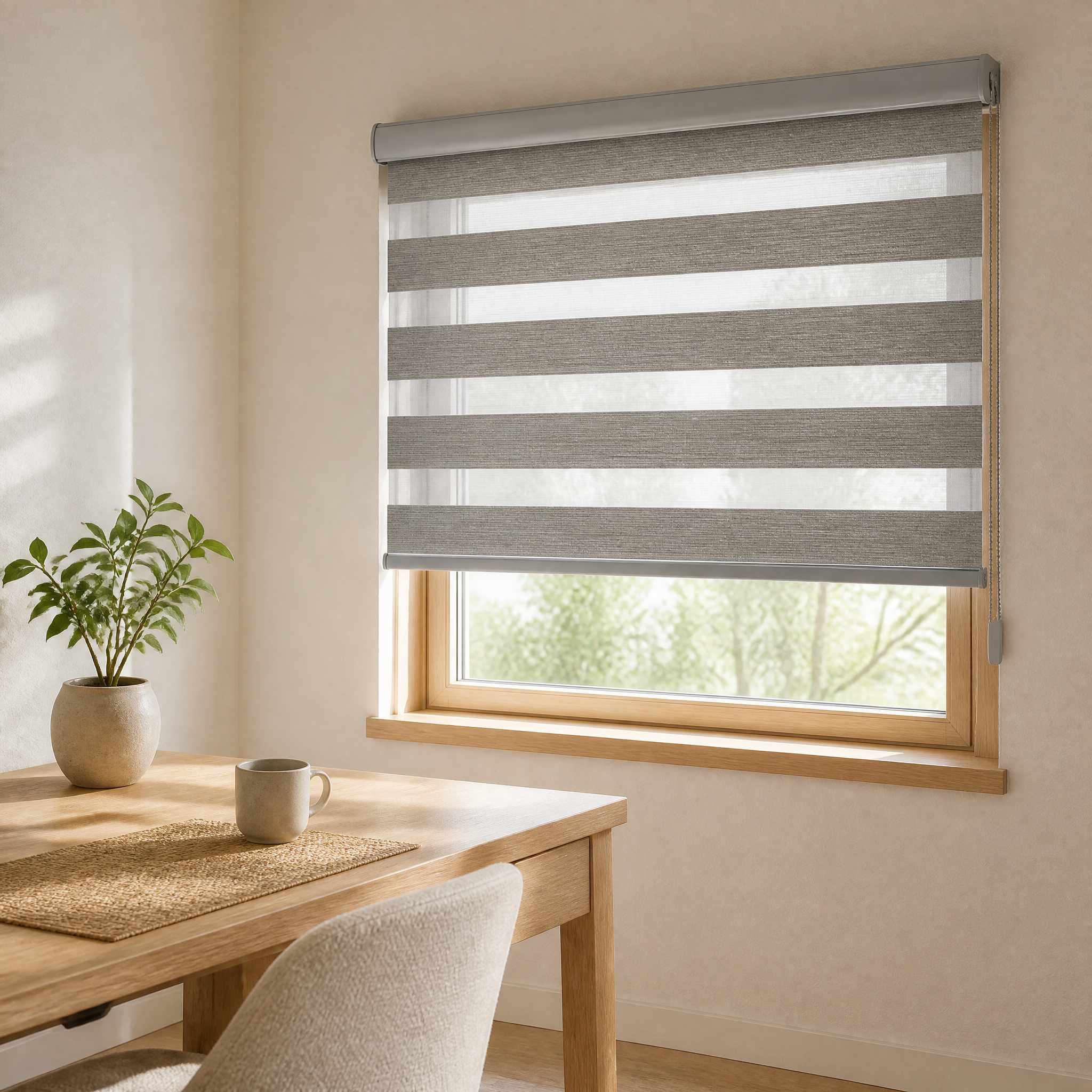
Blinds Wholesale Manufacturers: Key Considerations

application/blinds-wholesale-manufacturers, application/blinds-wholesale-manufacturers, 
Inquiry
Inquiry

Blinds wholesale manufacturers

Understanding the complexities of sourcing blinds from wholesale manufacturers is essential for B2B buyers, particularly those in industries like interior design, construction, and retail. The primary keyword, “blinds wholesale manufacturers,” encompasses a range of concerns from product specifications to quality assurance. This article aims to equip purchasing managers and other professionals with practical insights on product specifications, quality factors, cost evaluation, and the benefits of using high-quality materials when sourcing blinds in bulk. 

Comparing Quality Factors in Blinds from Different Suppliers

Quality can significantly vary among blinds wholesale manufacturers, which is why a thorough evaluation is necessary. Here are some quality factors to consider: 

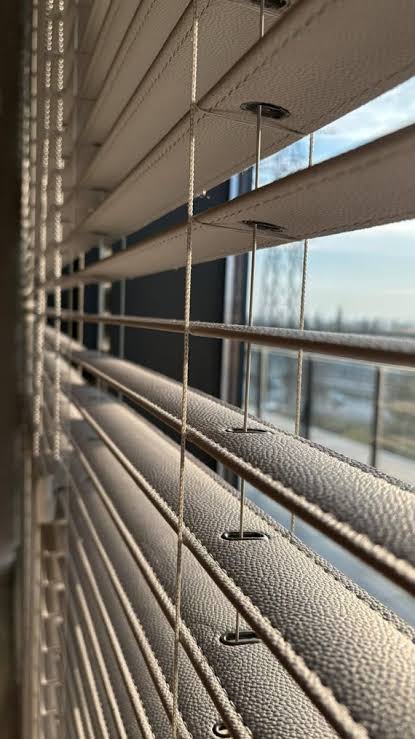
Material Quality: Higher-grade materials often translate into better durability and performance. For instance, while some manufacturers may offer cheaper PVC options, investing in higher-quality materials can lead to longer-lasting products that withstand wear and tear. 

Manufacturing Processes: Investigate the manufacturing processes employed by different suppliers. Companies like Msj Blinds Co., Ltd. that utilize advanced production methods and quality control systems are more likely to deliver consistent quality. 

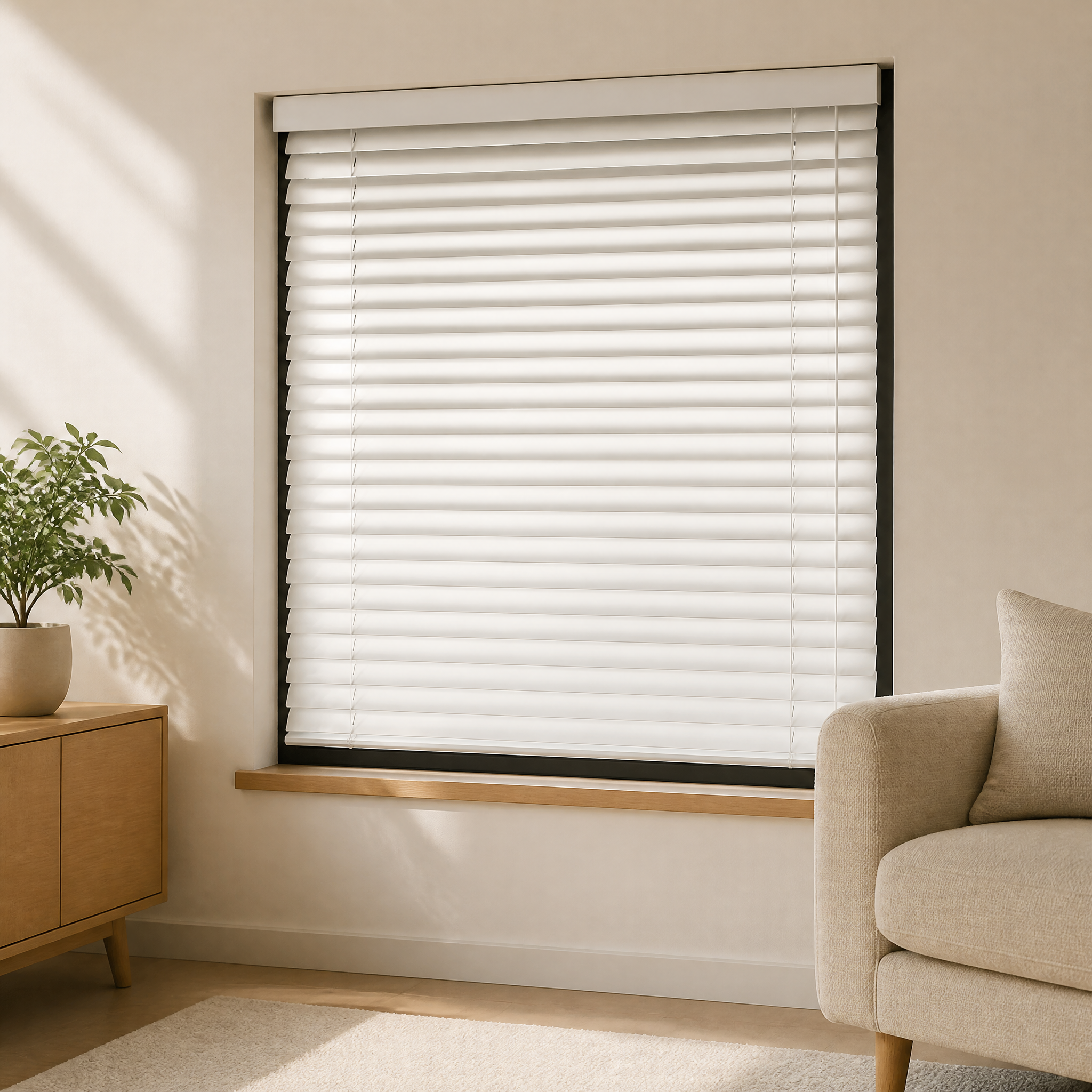
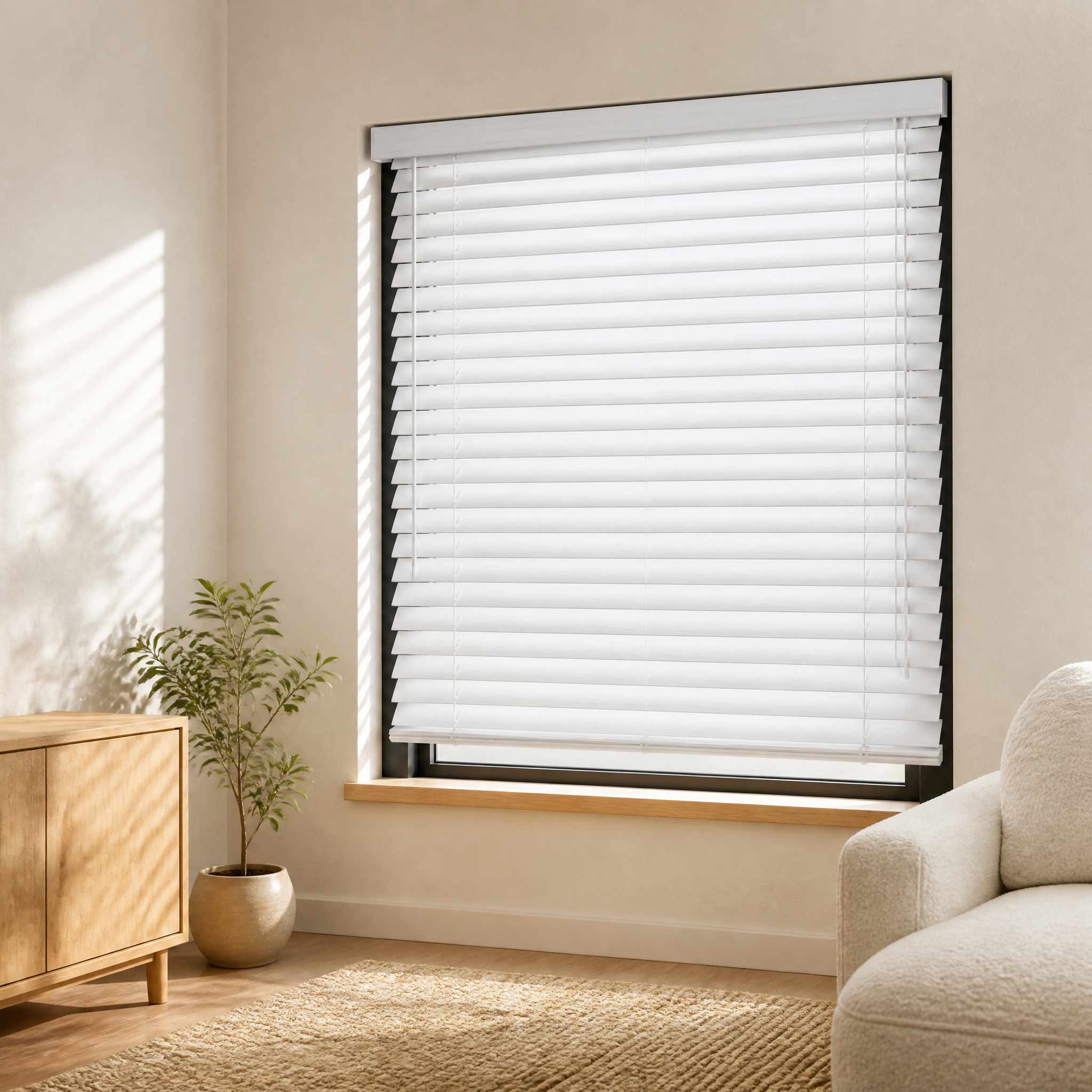
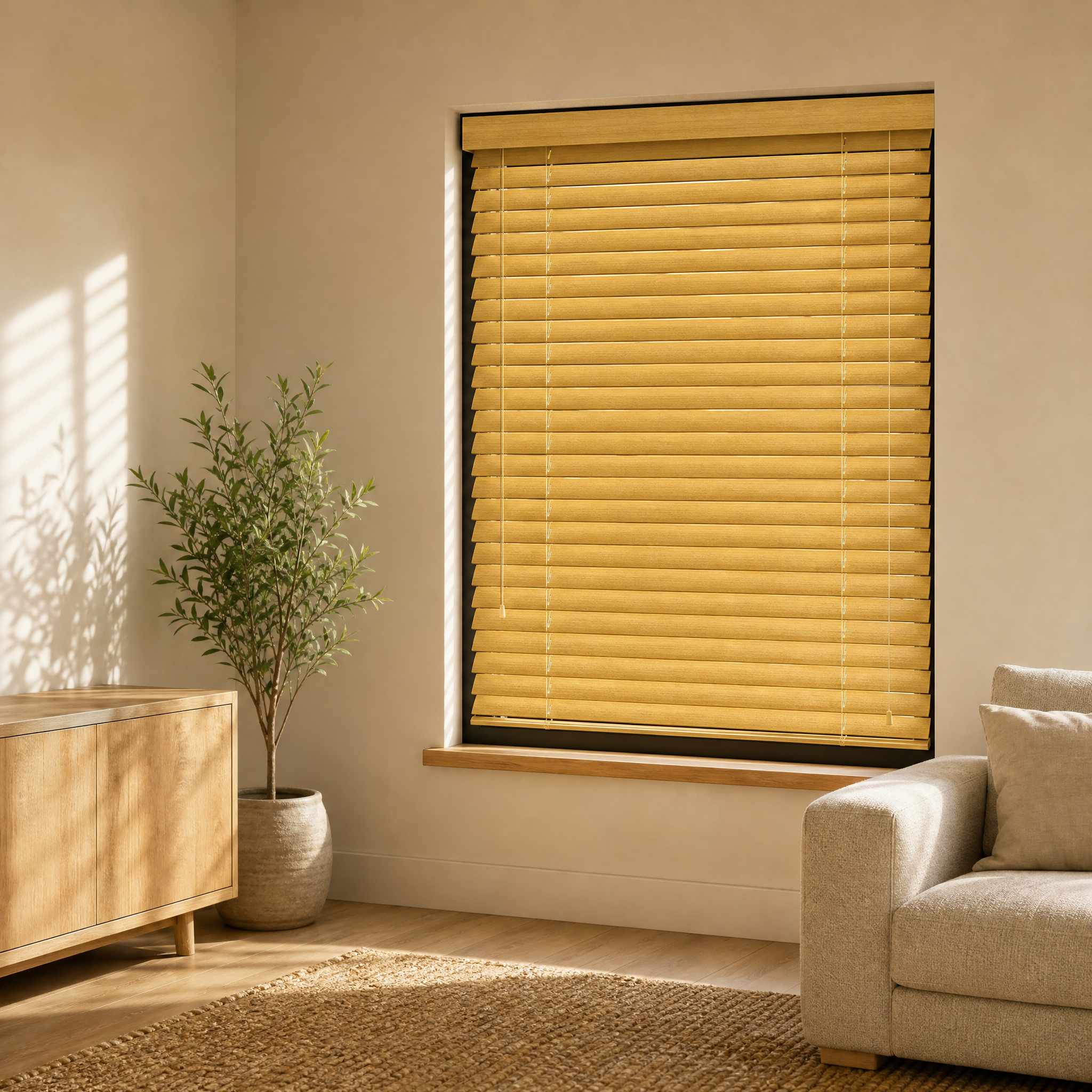
Certifications: Look for certifications from reputable organizations such as Intertek or SGS REACH. These certifications indicate that the Graceblinds custom wood shutters and blinds meet specific health and safety standards, which is particularly important when sourcing for commercial applications. 

Performance Testing: Ask suppliers about their quality assurance processes, including any performance tests conducted on their blinds. A reliable manufacturer will be open about their testing methods and results. 

By comparing these quality factors across different suppliers, you can make a more informed decision that aligns with your project's requirements. 

What You Need to Know

When sourcing blinds in bulk, there are several critical considerations to keep in mind: 

Minimum Order Quantity (MOQ): Different manufacturers may have varying MOQs, which can impact your budget and inventory planning. Be sure to clarify these requirements upfront to avoid unexpected costs. 

Lead Times: Understanding lead times is essential for project timelines. Ask potential suppliers about their average production times and any potential delays that could arise from custom orders. 

Customization Options: Many blinds wholesale manufacturers offer OEM and ODM services, which allow for customization in terms of design, color, and features. Clearly outline your specifications to ensure that the manufacturer can meet your needs. 

Sample Approval: Before committing to a large order, request samples to evaluate the product's quality and fit. This step is critical for confirming that the blinds will meet your expectations in real-world applications. 

These considerations will streamline the sourcing process and ensure that your final product aligns with your project requirements. 

Evaluating Cost Factors When Sourcing Blinds for Projects

Cost is a significant factor in sourcing blinds for any project. Here are the primary cost considerations you should evaluate: 

Unit Pricing: While the unit price is important, consider the total cost of ownership. A lower unit price may not always represent the best value, especially if the product requires frequent replacements due to inferior quality. 

Shipping and Handling: Factor in shipping costs, as they can vary widely depending on the supplier's location and shipping methods. Some manufacturers may offer free shipping for bulk orders, which could impact your overall budget. 

Long-Term Savings: Investing in high-quality blinds might lead to lower maintenance and replacement costs over time. For example, blinds made from durable materials can withstand environmental factors better, leading to less frequent replacement. 

Custom Options: Customization can increase the initial cost, but it may enhance the overall value of your project by providing a better fit and aesthetic appeal. Evaluate if the benefits of customization justify the additional expense. 

By understanding these cost factors, you can make more strategic purchasing decisions that align with your budget and project requirements. 

Benefits of High-Quality Materials in Wholesale Blinds Manufacturing

Investing in high-quality materials for wholesale blinds can significantly impact their performance, longevity, and overall aesthetic. Here are some benefits to consider: 

Durability: High-quality materials are often more resilient to wear and tear, which translates into longer product life. This is particularly important in high-traffic areas where blinds are subject to frequent use. 

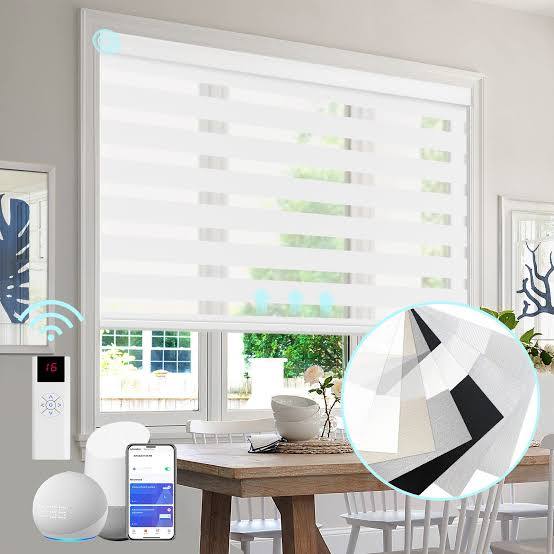
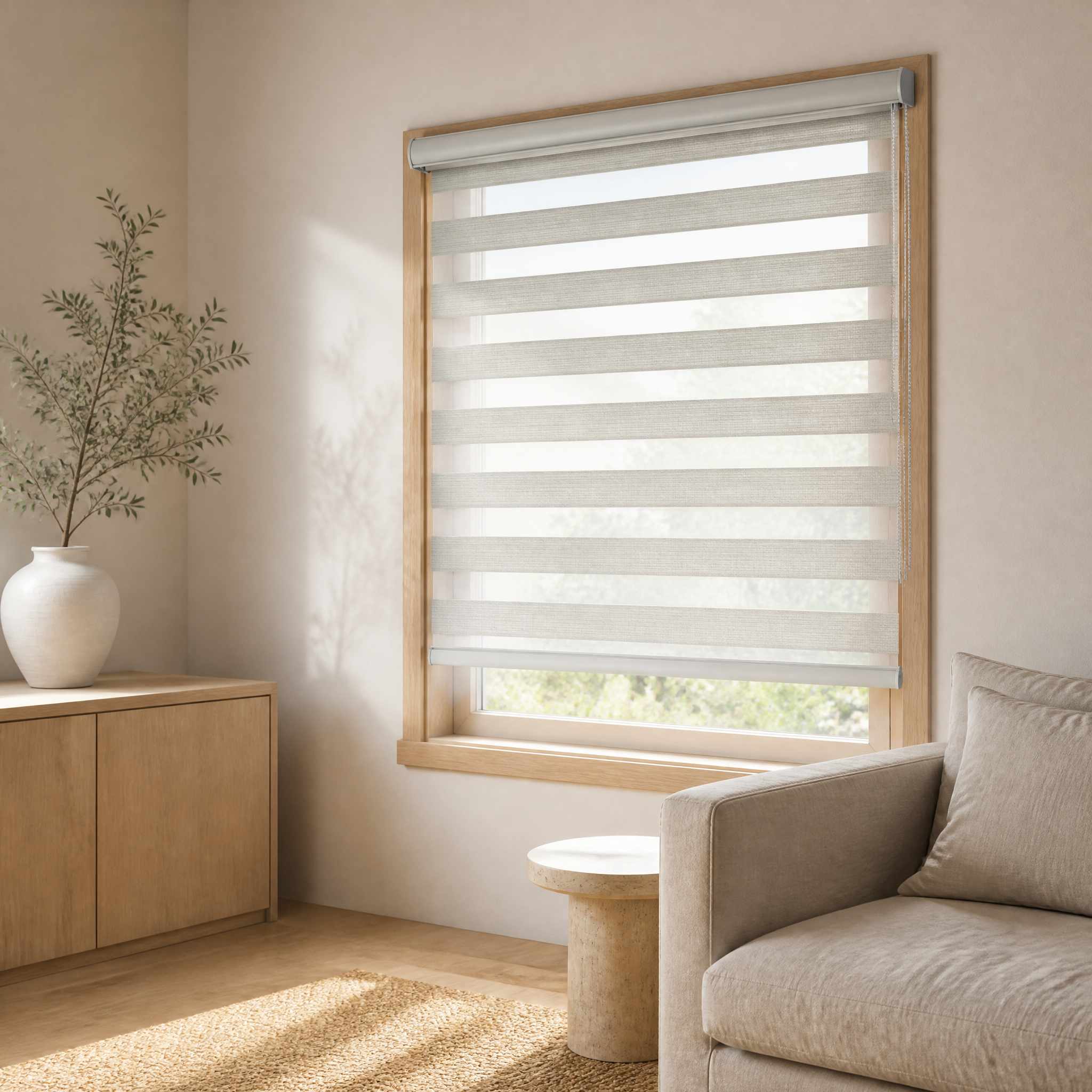
Energy Efficiency: Certain materials provide better insulation, helping to regulate indoor temperatures and reduce energy costs. For instance, Graceblinds zebra blinds curtain wholesale made from high-quality fabric can offer significant energy savings. 

Aesthetic Appeal: Quality materials often enhance the overall look of the blinds, contributing to a more polished and professional appearance. This can be especially important for commercial settings where aesthetics play a key role in customer perceptions. 

Maintenance: High-quality blinds typically require less maintenance over time. For example, materials that resist staining and fading can save time and costs associated with cleaning and replacement. 

In summary, prioritizing high-quality materials in wholesale blinds manufacturing can lead to better performance, lower long-term costs, and improved customer satisfaction. By understanding these factors, B2B buyers can make informed decisions that align with their project goals and client expectations. 

Understanding Product Specifications for Blinds in Bulk Orders

When dealing with blinds wholesale manufacturers, understanding product specifications is crucial for ensuring that the final product meets your project requirements. Key specifications to consider include dimensions, materials, and operational mechanisms. 

Dimensions: Accurate measurements are vital. Ensure that the blinds are made to fit the specific window sizes they are intended for, as even minor discrepancies can result in functionality issues. 

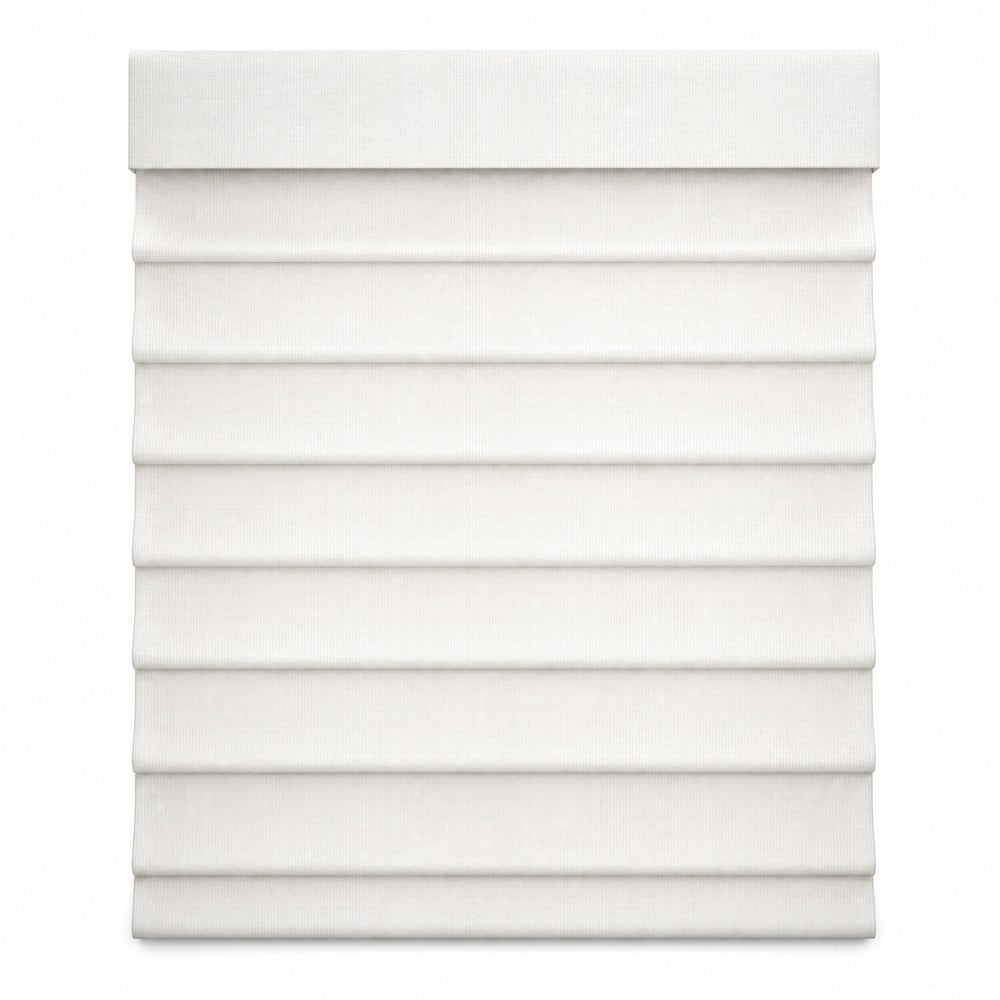
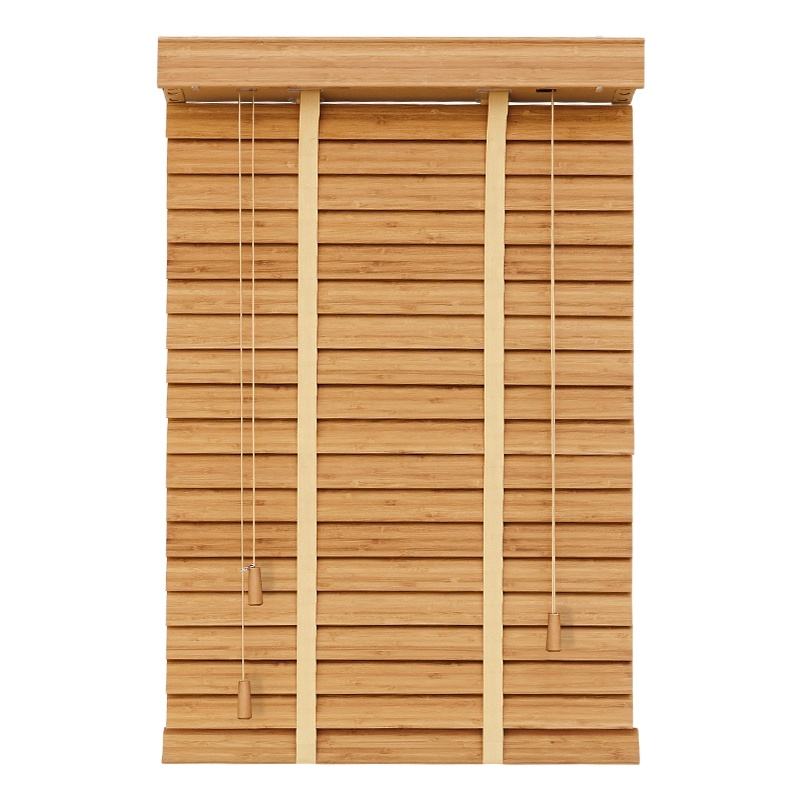
Materials: Typical materials include aluminum, PVC, and fabric. Each of these Graceblinds custom blinds shutters materials offers different benefits, such as durability, aesthetic appeal, and insulation properties. For example, aluminum is lightweight and resistant to moisture, making it ideal for high-humidity environments like bathrooms. 

Operational Mechanisms: Consider whether the blinds will be manual or motorized. Motorized options are increasingly popular due to their ease of use and integration with smart home systems. 

Confirming these specifications before placing a bulk order helps prevent costly mistakes and ensures that the product aligns with your project’s technical and aesthetic requirements. 

Frequently Asked Questions

What products do you manufacture?

We produce traditional and intelligent blinds and shutters with customized ODM/OEM options for dealers and designers worldwide.
Yes. We provide fully customized, made-to-measure blinds and shutters to meet specific size, material, and design requirements.
Our products are certified by Intertek and SGS REACH, ensuring compliance with international quality and safety standards.
Absolutely. We specialize in supplying global dealers and designers with OEM/ODM services, tailored production, and logistics support.
Options include materials, colors, control systems (manual or motorized), finishes, sizes, packaging, and branding for ODM/OEM projects.

Get a Free Quote

Our representative will contact you soon.
0/1000