Key Specifications for Sourcing Vertical Blinds

application/vertical-blind-manufacturers, application/vertical-blind-manufacturers, 
Inquiry
Inquiry

vertical blind manufacturers

Vertical blinds are a versatile and  functional  window treatment choice for both residential  and  commercial spaces. As  buyers  in the B2B  sector, particularly purchasing  managers, distributors, and designers,  you  may have  specific concerns related to sourcing quality vertical blinds. This  article will address  key specifications to  evaluate when sourcing vertical blind manufacturers, how to find reliable suppliers, common problems encountered with vertical  blinds,  and provide a  comprehensive  buyer’s guide to  facilitate informed purchasing decisions.

 
Finding Reliable Vertical Blind Suppliers

Finding Reliable Vertical Blind Suppliers

Identifying reliable vertical  blind manufacturers requires thorough research and evaluation. Here are several strategies  to consider:

Industry Referrals: Reach out  to industry colleagues or networks for recommendations. Suppliers with a proven track record often come highly endorsed by peers.

Trade Shows and Exhibitions: Attending industry trade shows allows  you to meet manufacturers in  person, examine their products, and  discuss customization options. This face-to-face interaction can  provide insights into their capabilities  and reliability.

Online Directories and  Reviews:  Utilize  online platforms and directories that specialize in manufacturing. Websites like  ThomasNet or Maker’s Row can help you find qualified suppliers.  Pay attention  to customer reviews and ratings to gauge reliability.

Certifications: Look for manufacturers with certifications from recognized bodies  like Intertek or SGS REACH. These certifications indicate adherence to international quality and safety standards.


Request Samples: Before making a bulk order, request samples to evaluate the  product quality firsthand.  This step ensures that the blinds meet your specifications and  expectations.

By employing these strategies, you can effectively narrow down potential suppliers that align  with your needs.

What You Need to Know

What You Need to Know

Before finalizing your order with a vertical  blind manufacturer, consider the following essential points:


Minimum Order Quantities (MOQ): Many manufacturers will have  a minimum order quantity. Understanding this requirement will help you assess whether  you can meet their production threshold.

Lead Times: Ask about lead times for production and delivery. Factors such as  customization, order size, and  current production schedules can significantly influence these  timelines.


Customization Options: Discuss available customization options, including color choices, patterns,  and additional features like UV protection or fire resistance. Customization can enhance  the blinds' aesthetic appeal and functionality. For a unique touch, consider Day & Night Blinds for their versatility.

Packaging and Shipping: Inquire about packaging methods to ensure that the blinds are protected during transport. Proper packaging  can prevent damage and ensure that products arrive  in excellent condition.

Warranty and Return Policies: Understand  the manufacturer’s warranty and  return policies. This information  is crucial in case  the products do not meet your expectations or  if there  are defects.

Being informed on these points will  enable you to make  better purchasing decisions and foster a smoother transaction process.

Common Problems with Vertical Blinds and Effective Solutions

Common Problems with Vertical Blinds and Effective Solutions

Vertical blinds can present several common issues,  but  understanding these problems and their solutions can enhance your purchasing experience:

Slat Damage: Slats can become bent  or damaged during installation or operation. To mitigate this, ensure that the supplier provides durable materials and offers replacement slats if damage occurs.

Inconsistent Operation:  If  blinds  do not open or close smoothly,  it  may be due to misalignment or poor  installation. Ensure that installation guidelines are clear,  and that  you have access to customer support for troubleshooting.

Fading: Prolonged exposure to sunlight can  cause fabrics to fade. Opt for UV-resistant materials or coatings to extend the life  of the blinds and maintain their appearance.

Mold and Mildew Growth: In humid environments, mold can develop on fabric blinds.  Selecting moisture-resistant  materials and ensuring proper ventilation can  prevent this issue.

Mechanical Failures: Components such as cords and chains can  wear out  over time. Discuss with your supplier about the durability of moving parts  and consider motorized options for easier operation.

By proactively addressing these issues, you can minimize frustration and ensure the longevity of your vertical  blinds.

A Buyeru2019s Guide

When  preparing  to purchase vertical blinds, consider the following checklist to streamline the  process:

Identify Application Requirements: Define where  the blinds will be installed—whether in a commercial office,  a retail  space, or residential settings. This will influence material and design choices.

Gather Specifications: Compile specifications such as dimensions, desired materials, and operating mechanisms. Having detailed requirements will help suppliers provide  accurate quotations.

Request Multiple Quotes: Don’t settle for the first quote. Request multiple quotations from different suppliers to compare  pricing, lead times, and custom options.

Inspect  Samples: Before placing a bulk order, request samples to ensure quality and fit.  Pay attention to  the weight,  texture,  and mechanism of operation.

Confirm Terms and  Conditions: Before  finalizing your order, review the terms of sale, including  payment terms, delivery timelines, and warranty details.


By following this guide, you can enhance your purchasing process and ensure  you acquire vertical blinds that meet your specifications and expectations.

In summary, sourcing vertical blinds requires careful consideration of various specifications, supplier reliability, and common issues. By arming yourself with  this knowledge, you can make  informed purchasing decisions that benefit your business.

Key Specifications to Evaluate When Sourcing Vertical Blinds

When  sourcing vertical blinds, it's essential to evaluate several key specifications that directly affect  their functionality  and suitability for your needs:

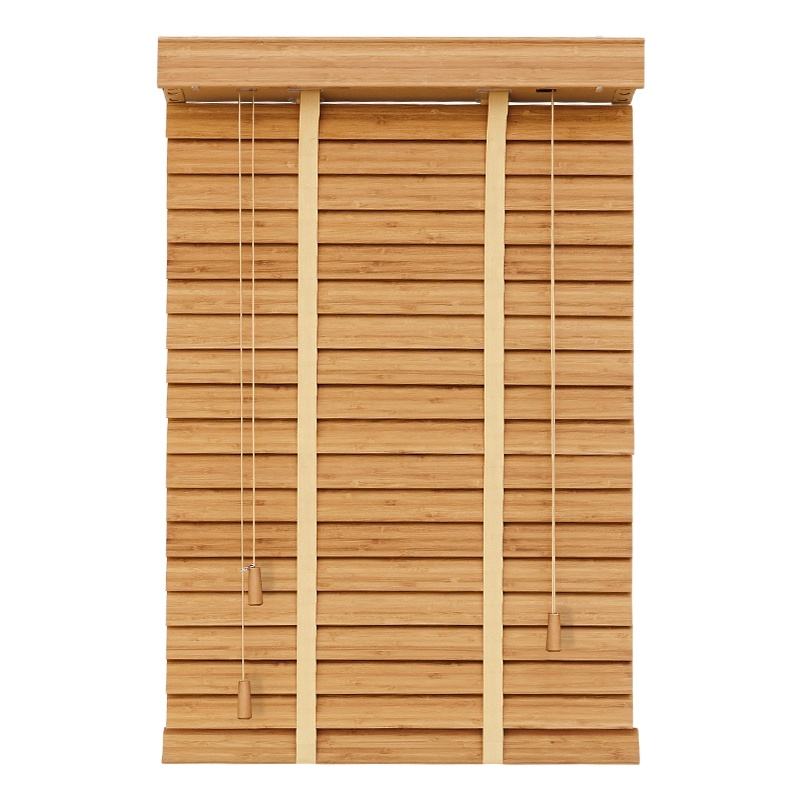
Materials: Vertical blinds can be  manufactured from various materials, including PVC, fabric, and aluminum. Each material has its advantages; for example, PVC is moisture-resistant and easy to clean, making it suitable for areas like kitchens and bathrooms, while fabric offers a  softer look and  better insulation. If you're interested in a stylish option, consider our Zebra Blinds for a modern touch.

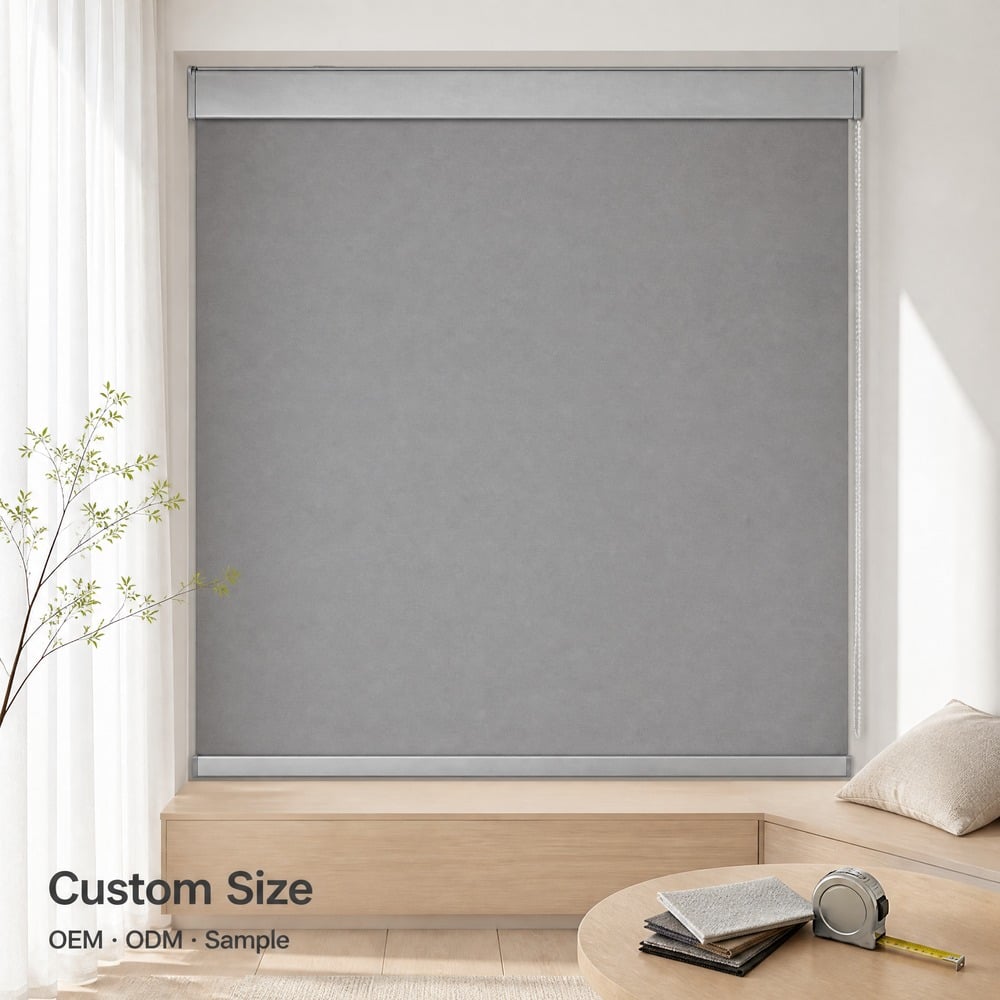
Dimensions:  Accurate measurements are crucial.  Vertical  blinds come in different widths and lengths. Ensure the manufacturer can provide custom sizes to fit your specific window  dimensions, as a poor fit can compromise both  aesthetics and functionality.

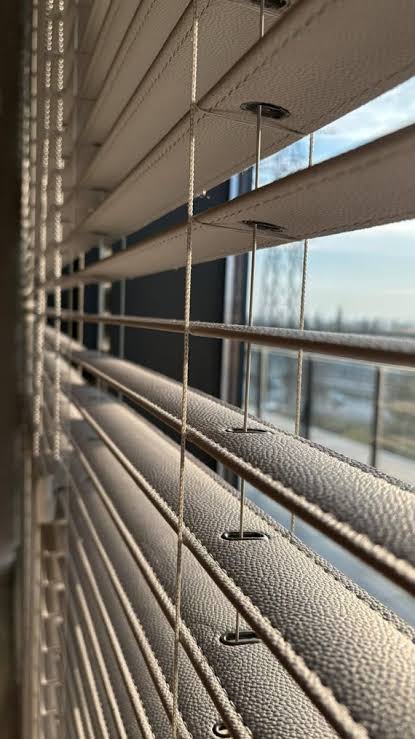
Weight  and Thickness:  The weight and thickness  of the slats impact how well the blinds operate. Thicker slats may provide better insulation and light control but could also be heavier, affecting the ease of operation.

Operating Mechanism: Look for manufacturers that offer various operating mechanisms, such  as corded, cordless, or motorized options. Motorized blinds are increasingly popular in commercial  settings for their convenience and modern appeal, such as the Motorized Roller Blinds.

Quality Control Processes: Understanding  the manufacturer’s quality control processes is vital. Look for certifications such as ISO or compliance with safety standards, which indicate a commitment to quality.

Each of these specifications should be discussed  with potential suppliers to ensure they can  meet  your specific requirements.

Get a Free Quote

Our representative will contact you soon.
0/1000