EN

cellular-shades--boutique-hotel-honeycomb-blinds, cellular-shades--boutique-hotel-honeycomb-blinds, /honeycomb-blinds
EN
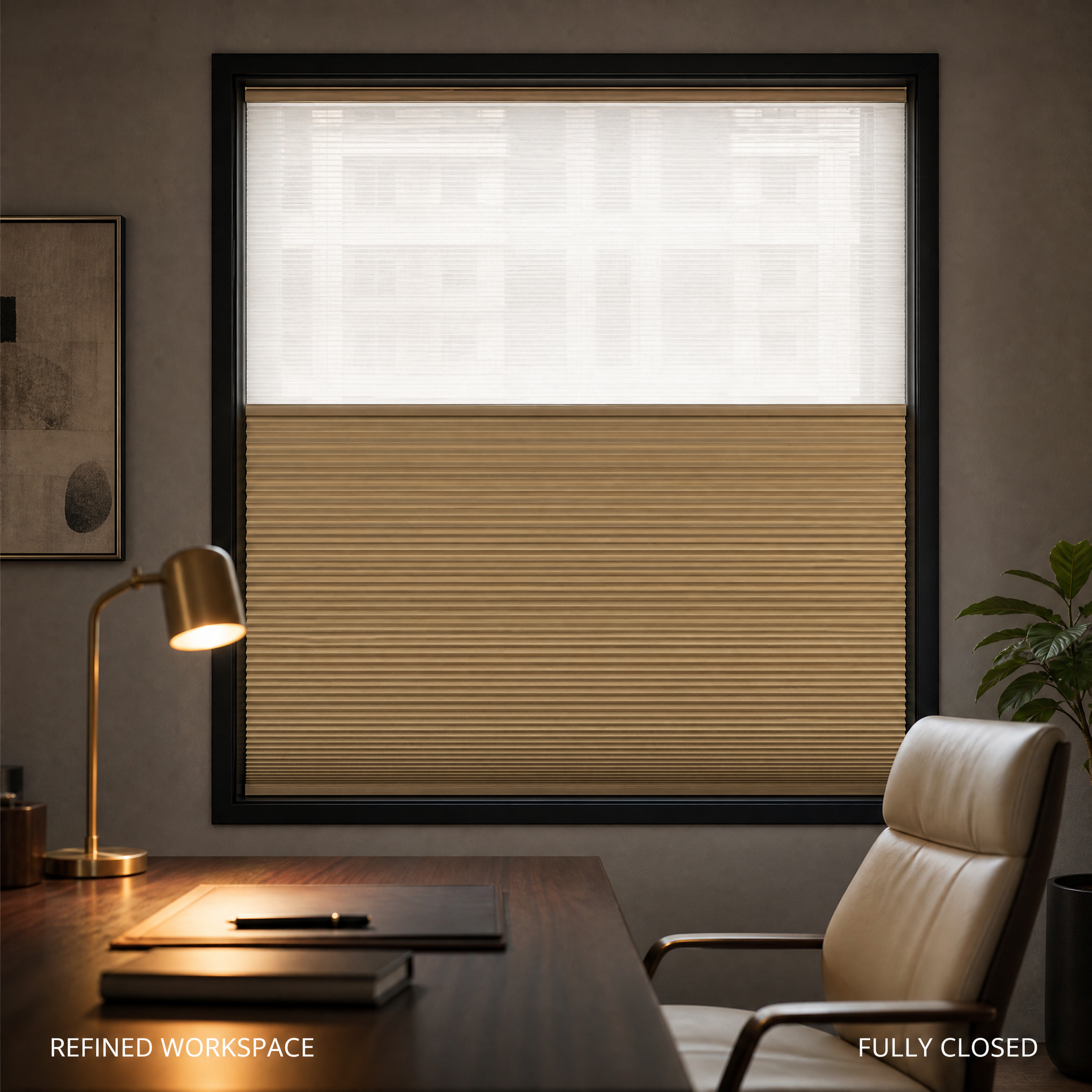
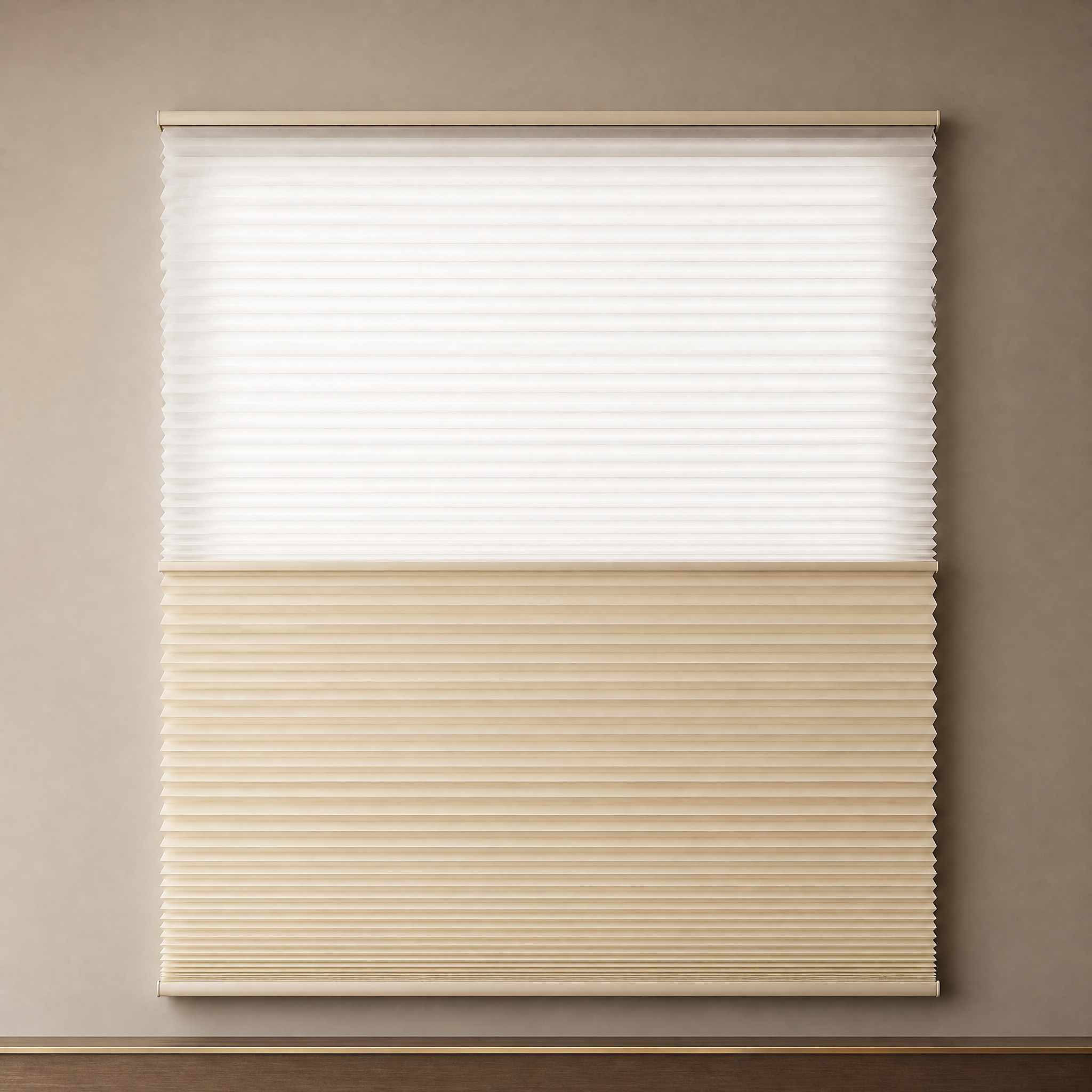
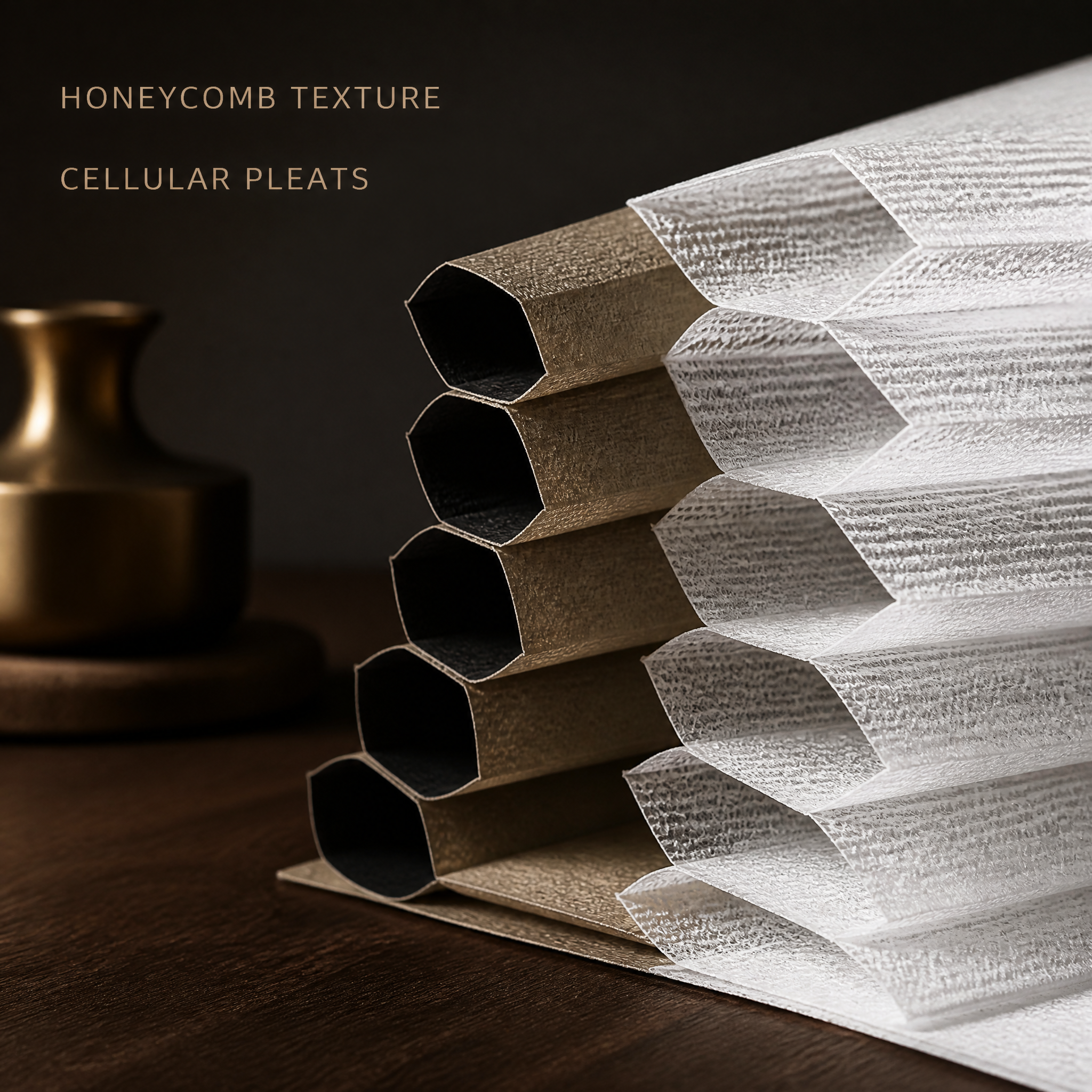
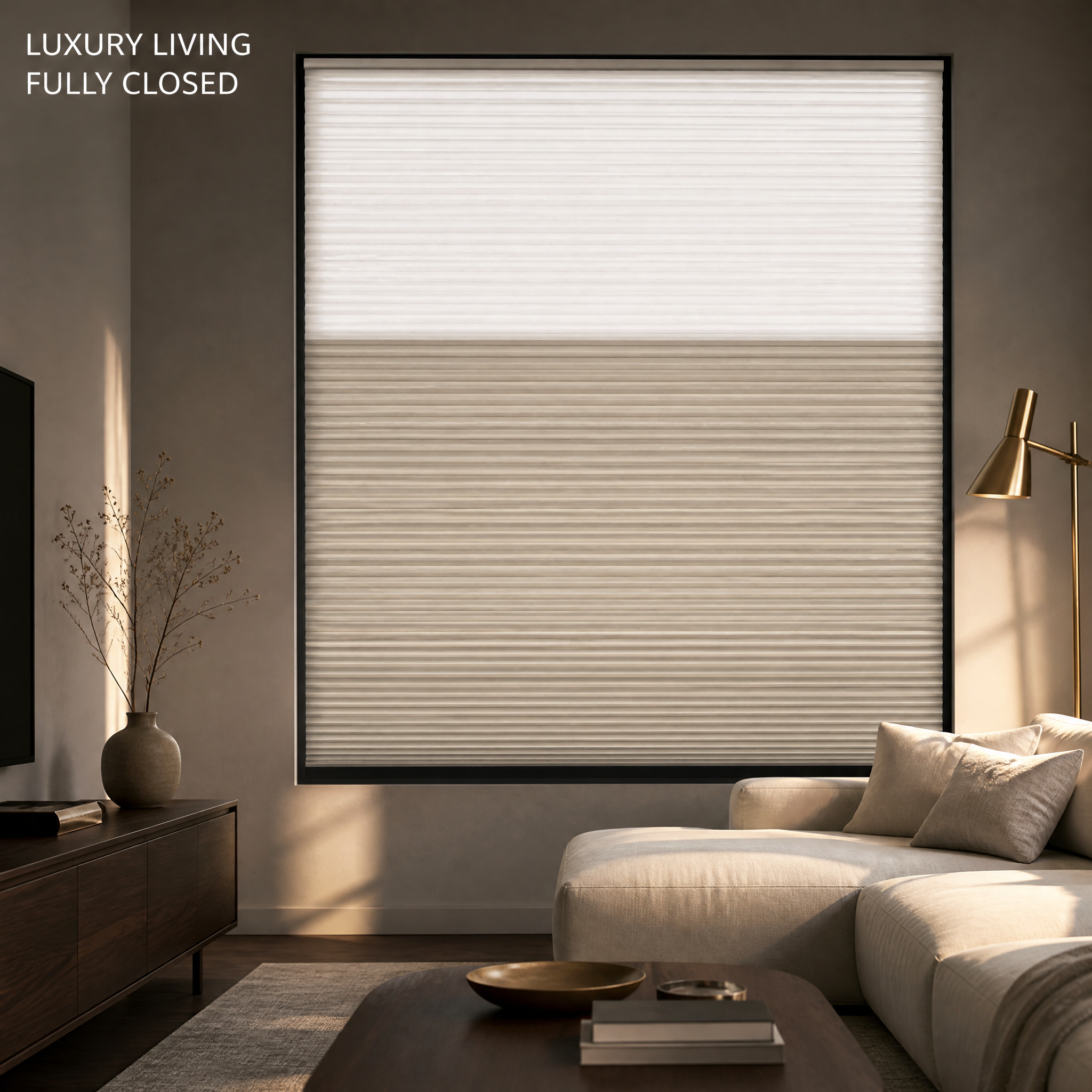
• Texture carries the design. The fabric face has a fine matte honeycomb grain in deep tones, so a closed shade reads as a wall finish rather than a utility covering.
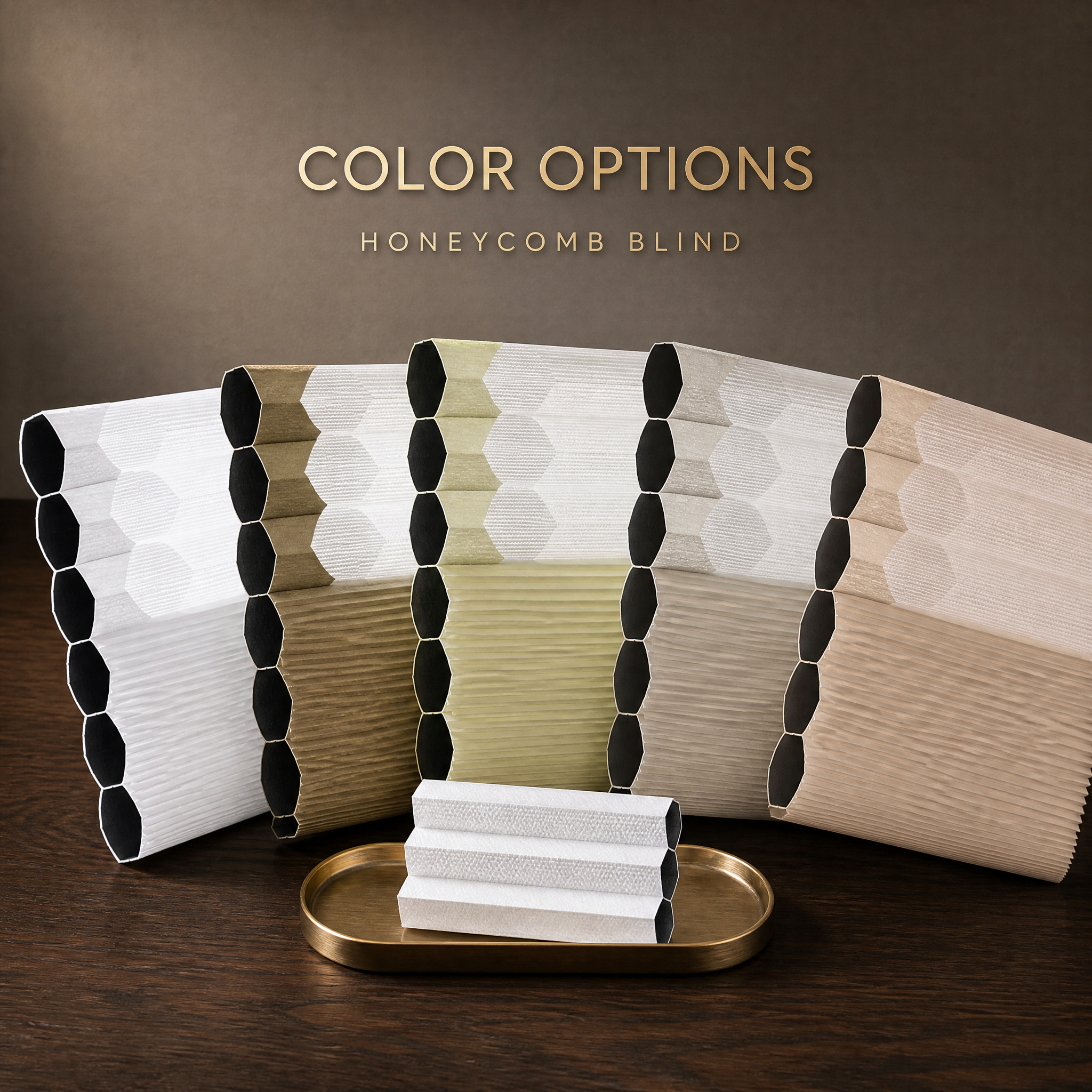
• A walnut-led palette. Five coordinated colourways are built around walnut, ink and warm stone, matching joinery and upholstery instead of competing with them.
• Repeatable across a building. One specification rolls out across guest rooms, corridors and suites, keeping a fit-out level from floor to floor.
• Light control per room. Light-filtering and room-darkening faces are both available, so a lounge and a guest room in one scheme can be dimmed to different levels.
• Hardware that stays quiet. Movement is cord-free or motorised, and the closed cell stack keeps the line of the window clean in use and in photographs.
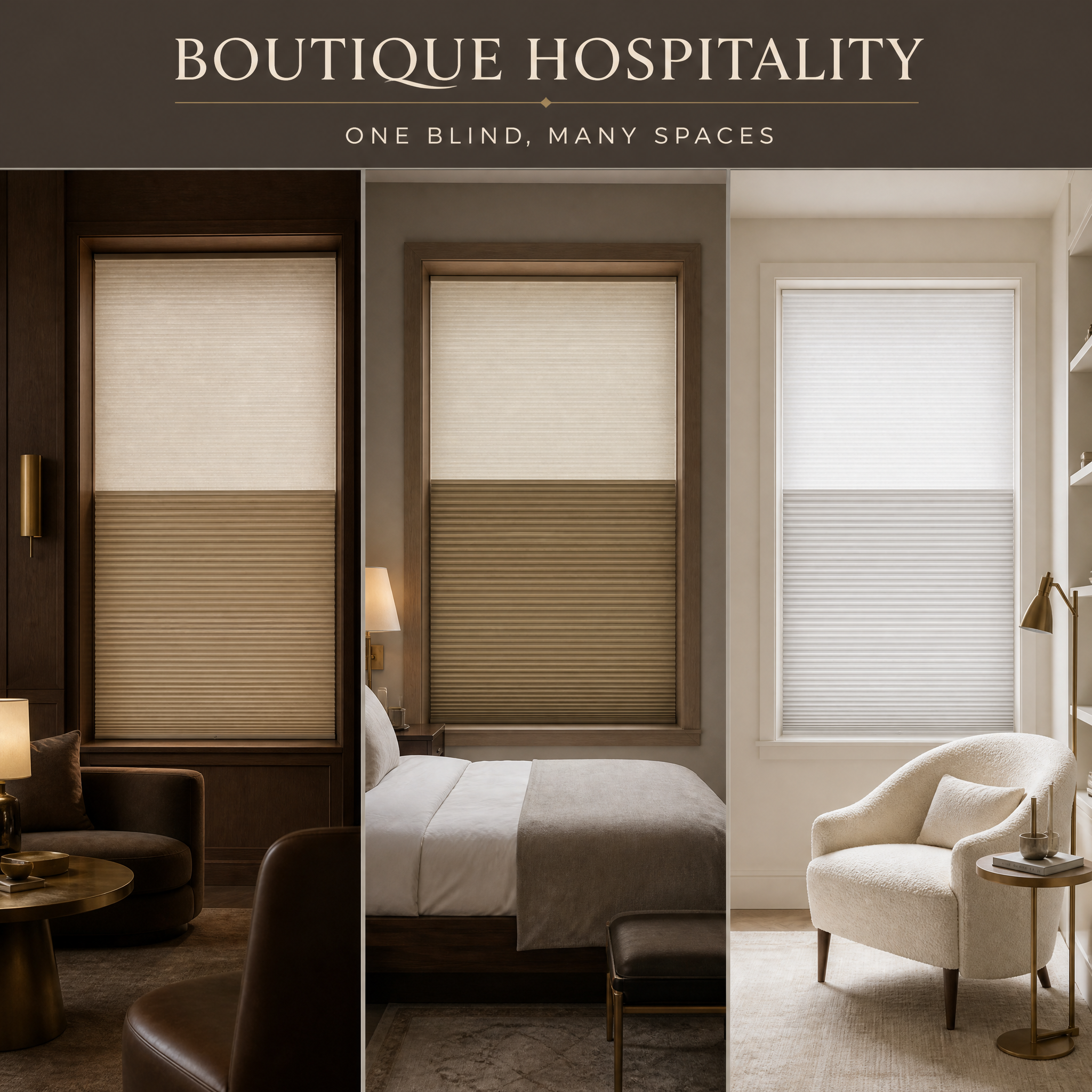
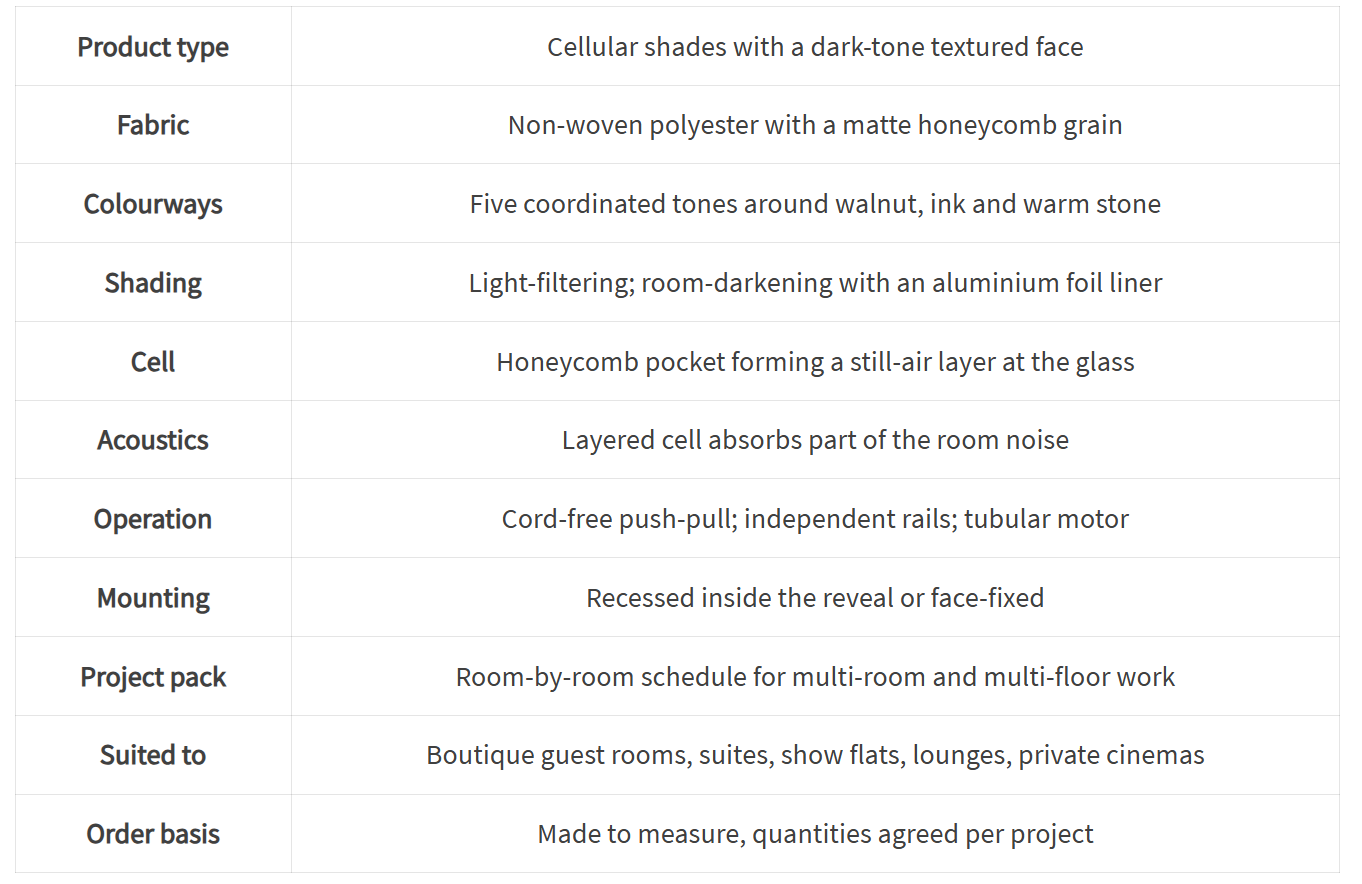
A boutique property is judged in the opening moments of a stay, and a window covering that looks like office hardware undoes the work of the interior. These cellular shades are drawn in a deep matte texture that behaves like a decorative surface: seen closed from across a lounge, the panel reads as woven cloth, and seen open its folds add rhythm to the elevation. The palette is held around walnut, ink and warm stone so a specifier can carry one scheme from the joinery through to the glass.
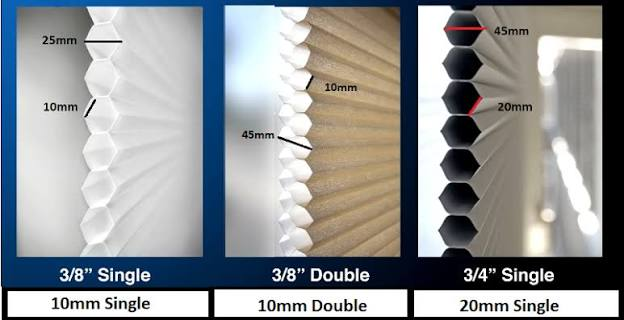
Beneath the surface the build is the honeycomb cell used for dimming work. Non-woven polyester is creased into pockets that hold still air, which tempers heat at the glass and softens the acoustics of a room. Panels can be specified as light-filtering for lounges, corridors and reception areas, or room-darkening with an aluminium foil liner for guest rooms where guests sleep past sunrise. Operation is cord-free push-pull, independent rails, or a tubular motor, with recessed or face-fixed mounting.
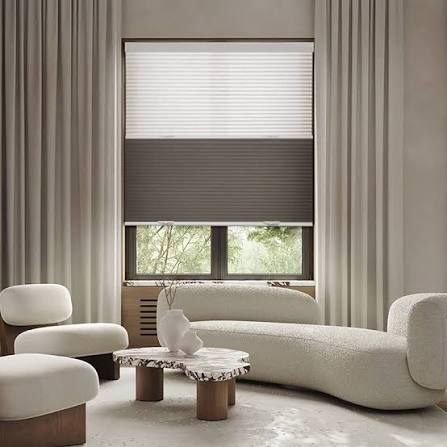
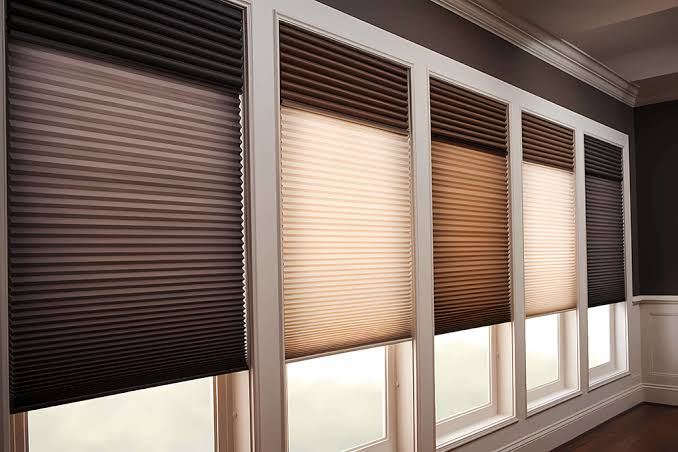
The Cellular Shades are a refined window solution built for hospitality interiors that demand quiet performance and clean lines. As cellular shades from Dongguan MSJ Blinds Co., Ltd., these honeycomb blinds combine a structured cell construction with a five-colour designer series. These cellular shades give designers precise control over light, privacy, and thermal comfort. Whether you need cellular shades for a boutique hotel or honeycomb blinds for a residential project, they deliver. Boutique hotel specification continues to evolve, and these honeycomb blinds lead the way. Suppliers watching boutique hotel projects will find these cellular shades a smart addition. They also fit any boutique hotel specification well. As honeycomb blinds, these cellular shades prove that boutique hotel comfort and energy efficiency can coexist.
Dongguan MSJ Blinds Co., Ltd. is a window blinds supplier with over 18 years of experience. Our work covers the design, development, and production of traditional and intelligent blinds and shutters. Every set of cellular shades meets consistent standards. Our honeycomb blinds are produced in a 100,000+ square meter facility with Intertek-certified quality management. As boutique hotel specifications shift, our cellular shades stay relevant. These honeycomb blinds also pair well with any boutique hotel program. For buyers seeking cellular shades, these honeycomb blinds are a strong choice.
These cellular shades offer strong features. The honeycomb cell structure traps air for insulation. These honeycomb blinds come in five coordinated colours. The cellular shades allow made-to-measure sizing for irregular windows. As boutique hotel demand grows, these honeycomb blinds use durable fabrics. These cellular shades hold their pleat through repeated use. They also resist fading, matching modern boutique hotel requirements. For fans of honeycomb blinds, these cellular shades are a natural fit.
• It belongs to the scheme. Because the face is textured and matte rather than glossy, the shade sits alongside wallpaper, timber and fabric without reading as equipment.
• One palette, fewer decisions. Five tones cover the range a boutique brief normally needs, which shortens sampling rounds and keeps a project inside one colour family.
• Guest rooms that stay dark. The room-darkening face with its foil liner keeps a room dim through a summer morning, which is what guests notice on a weekend stay.
• A calmer corridor. The cell structure takes the hard edge off hard-surfaced corridors and reception areas, where noise travels easily.
• Batches that match. Fabric and hardware are held to one reference for the duration of a project, so panels delivered in later phases sit beside earlier ones without a visible shift.
• Straightforward on site. Brackets accept recessed or face fixing, and cord-free movement means there is no chain to align when a hundred windows go in on one visit.
• Boutique guest rooms and suites, where a deep tone has to look considered in daylight and still dim the room at night.
• Show flats and sales centres, where the furnished view of the window matters as much as the dimming.
• Dark-toned residential living rooms, where the shade is expected to sit with walnut and charcoal joinery.
• Clubs and private cinema rooms, where near-darkness and acoustic comfort are both wanted.
• Serviced long-stay apartments, where hundreds of identical windows have to stay consistent over years of cleaning.
Tell us the mood of the interior and we will match the fabric to it. Face tone, rail finish, drop and mounting are specified room by room, and a project can mix light-filtering and room-darkening panels within one order while keeping a single visual language. Where a scheme calls for something outside our five tones, we will review a fabric direction against your reference.
As a trade partner we take on OEM and ODM work: your brand on the packaging, your carton marks, or a fabric and hardware set developed from an interior brief. A pre-production approval sample is issued for sign-off, and colour references are held on file so that a second or third phase of the same project can be produced later without a mismatch.
Window coverings have been our trade for 18 years, produced from a 100,000+ m2 base in Dongguan. Textured faces are creased and assembled in our own plant, and each batch is inspected at four points of the run, including a colour comparison against the signed reference. Buyers who want to see their panels before they leave are welcome to attend inspection on site ahead of packing.
Q: Will a dark textured fabric feel cramped in a low-light room?
A: The texture does more work than the depth of the tone. A matte grain scatters light across the surface, so the panel picks up more reflected light than a flat dark web would. Paired with a light-filtering face and left partly open, the shade reads as soft rather than heavy.
Q: How should the shades be paired with walnut furniture?
A: Pull the fabric towards the warmer end of the palette and keep the rail finish neutral. Walnut has a strong red-brown cast, so a warm stone or a soft greige on the window balances the room, while ink tones can be saved for darker joinery in a study or a cinema room.
Q: How do you keep a whole building consistent?
A: The fabric lot, the rail finish and the bracket type are fixed before cutting begins, and the reference is kept on file. Later phases draw on the same reference, so a suite furnished two years after the lobby still matches it on site.
Q: Do guest rooms need the room-darkening face?
A: In the majority of hotel projects, yes. Guests sleep late on weekends and expect a dim room at nine in the morning, which a light-filtering face will not deliver. Corridors, lounges and reception areas can stay light-filtering so that the fit-out does not feel shut away.
Q: How do these compare with traditional drapery in a hotel?
A: Drapery brings volume and softness, and it also brings bulk, laundry cycles and a wider stack at the edge of the glass. A cellular shade gives a neater fold, a simpler cleaning routine and a repeatable specification that can be held across hundreds of identical openings.
Q: What controls colour shift across a large batch?
A: One fabric reference is used for the whole order, and panels are cut from the same lot wherever the programme allows. Each batch is checked against the signed sample at inspection, and any panel that drifts outside the agreed range is held back rather than packed.
Share the interior direction, the room schedule and the tone you are aiming for, and we will return a fabric proposal, a hardware format and a costed schedule for your project.
• Texture carries the design. The fabric face has a fine matte honeycomb grain in deep tones, so a closed shade reads as a wall finish rather than a utility covering.
• A walnut-led palette. Five coordinated colourways are built around walnut, ink and warm stone, matching joinery and upholstery instead of competing with them.
• Repeatable across a building. One specification rolls out across guest rooms, corridors and suites, keeping a fit-out level from floor to floor.
• Light control per room. Light-filtering and room-darkening faces are both available, so a lounge and a guest room in one scheme can be dimmed to different levels.
• Hardware that stays quiet. Movement is cord-free or motorised, and the closed cell stack keeps the line of the window clean in use and in photographs.